
Share
Summer with the Townshippers: A Grassroots Marketing Campaign Long in the Making
September 9th, 2026
By T. A. Chénier
Tiffany Chénier volunteers with the Eastern Townships Resource Centre. This article is derived from the now-transcribed oral histories housed in the Townshippers’ Association fonds (P038) in the Eastern Townships Resource Centre Archives, as well as the final publication by Barbara Verity entitled A Community with Deep Roots: Tenth Anniversary Commemorative Volume of the Townshippers’ Association (1989).
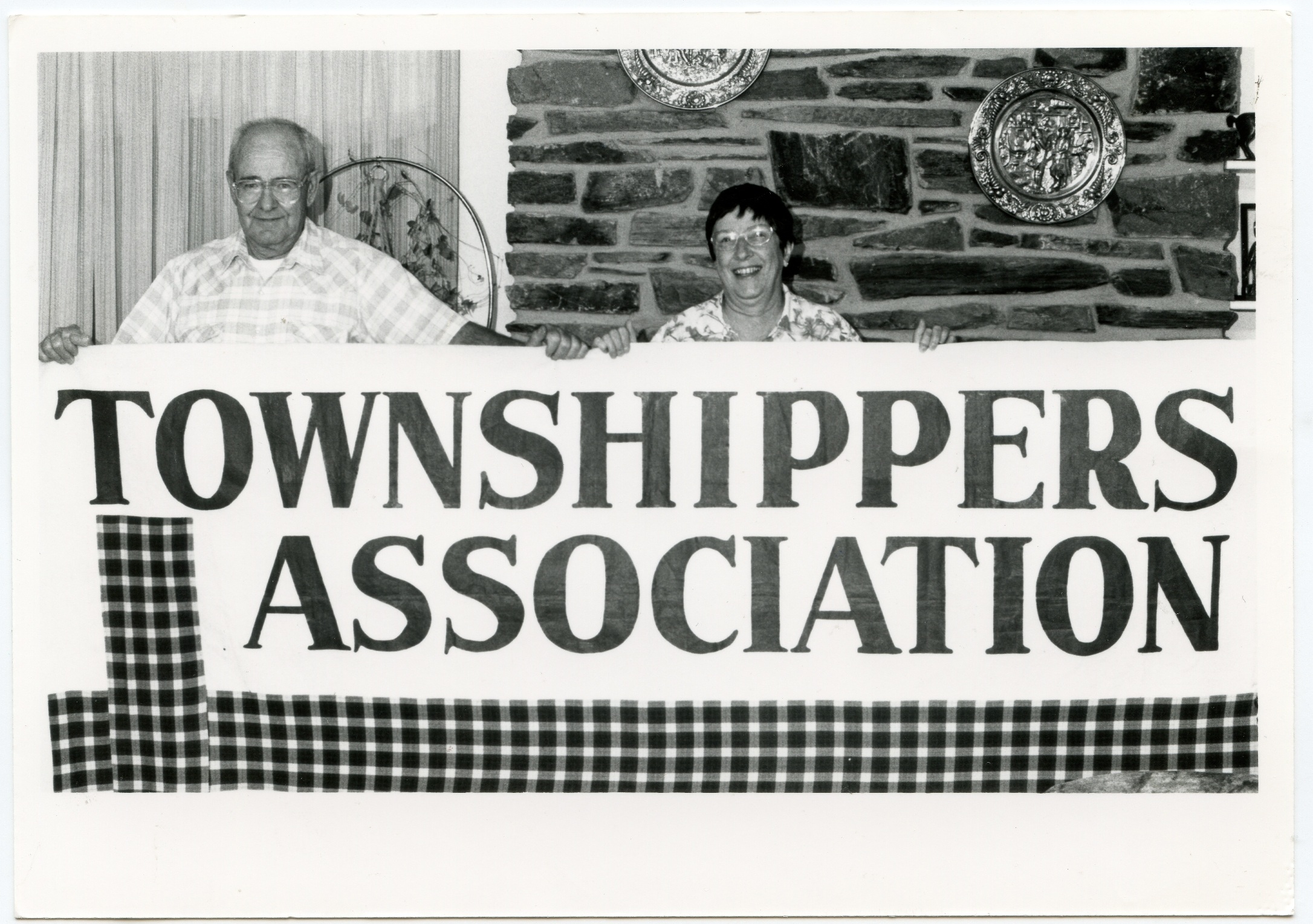
When thinking of summer in the Townships a few images may come to mind: time on the lake, a hike up one of the mountains or even a visit to a local museum. Perhaps less explored is the impact of the Townshippers’ Association, known for their lobbying on behalf of the English-speaking community since 1979, in helping curate these imaginings. Still working diligently today, the first decade of their existence relied heavily on them deepening their knowledge of the area’s history and embracing many of the elements that now make up our collective imagination of the season in the region.
Toponymy, the study of place names, was a key feature of their early efforts. Utilising what little government grants existed to their advantage and playing into the need to employ English-speaking youth, summer students were hired in 1980 to track down the histories of these early anglophone historical sites like Bolton Townships’ Smuggler’s Highway. Witnessing this program’s success, a student-aided research campaign took place again in 1984 through oral histories with the elderly residents of Leeds Village and Kinnear’s Mill. This intergenerational collaboration proved critical to the Townshippers’ effort to combat the francisation of local place names, arguing that this change undermined their cultural and historical importance of Anglophone communities. Armed with these histories, the Association used this knowledge to hold a series of consultations leading to briefs brought to the provincial and national level. Widely successful, these efforts contributed to the later naming of two mountain peaks in 1983 and 1984 after influential women of the Townships; Lily Butters, founder of the Butters Home for children with cognitive disabilities, and the creator of a maternity home for unwed mothers, Florence Bradford.
There was also a focus on what has now become a key contributor to summer in the region: Bed & Breakfasts. The Townshippers saw the tourism industry, and its accompanying entrepreneurialism, as an ideal way to help Anglophone employment. With a committee formed in 1985 to increase their involvement within the region’s tourism initiatives, they undertook marketing aimed at English-speakers in Canada and the United States hoping to appeal to a larger seemingly bypassed clientele. Further responding to B&B’s increasing popularity throughout the decade, the regional association worked cross-linguistically to promote this form of revenue generation. One of their biggest triumphs being the coming together of twenty local English and French B&Bs for a bilingual brochure, leading to the later inclusion of the B&Bs in the Association touristique de l’Estrie’s 1989 tourist map. The first decade of the Townshippers’ Association, therefore, saw a great deal of energy poured into helping the community, young and old, share in their efforts to showcase the region and its businesses. Yet, many of their initiatives continue to characterise our summer. In other words, youth employment, local entrepreneurial pursuits, and the bridging of community have unmistakably become part of its Deep Roots.
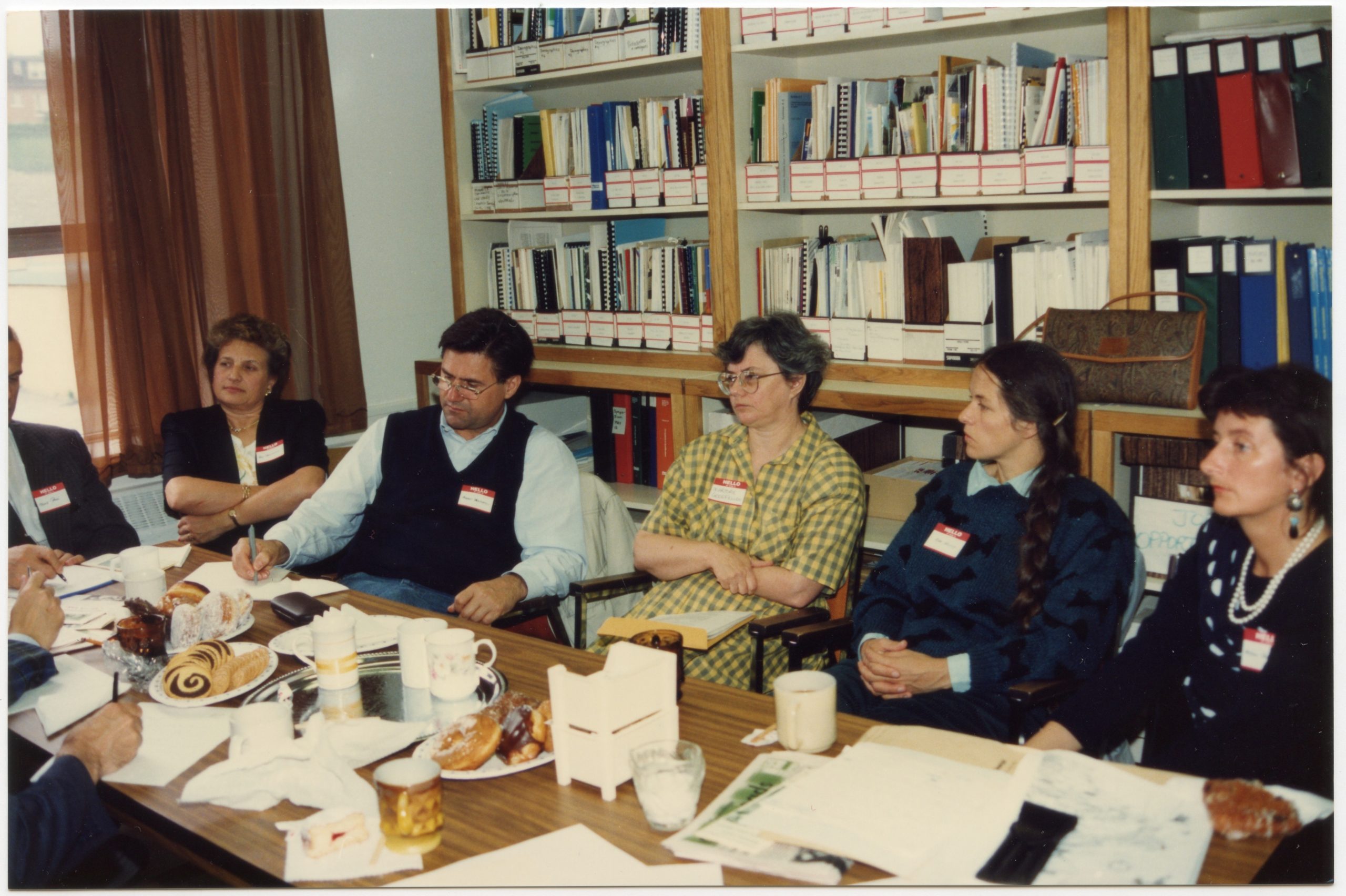
Photo credit : P038 Townshippers’ Association fonds
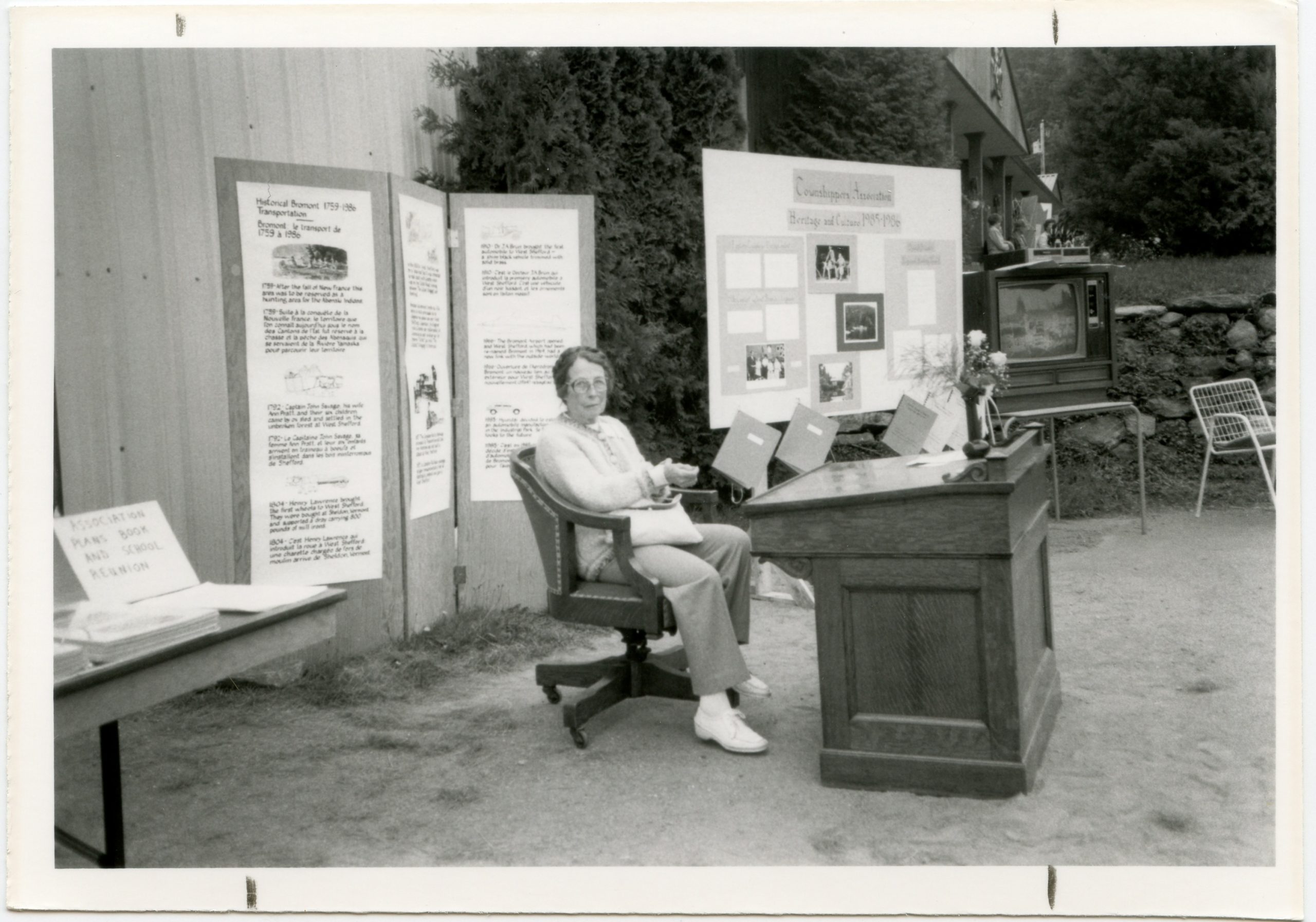
Photo credit : P038 Townshippers’ Association fonds
Townshippers’ Day, 1986